教师登陆
教师登陆 返回首页
返回首页
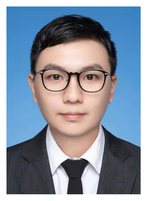
教师简介:
赵纯凯,男,九三学社社员,华南农业大学经济管理学院副教授,硕士生导师。2022年毕业于上海财经大学,获得经济学博士学位。主要研究方向为劳动经济学和发展经济学,重点关注养老、教育、创业/就业和幸福感等民生领域的研究主题。近年来,已经在Entrepreneurship Theory and Practice、China Economic Review、Cities、China & World Economy、Emerging Markets Review、Journal of Happiness Studies、Review of Development Economics、Journal of Business Research、Habitat International以及《经济研究》、《经济科学》、《南开经济研究》和《中国软科学》等国内外重要学术期刊上发表论文50余篇。主持国家自然科学基金青年项目、广东省自然科学基金面上项目、广东省哲学社会科学基金规划项目、国家统计局第三次全国时间利用调查课题和农业农村部软科学项目等国家和省部级课题。担任Journal of Business Ethics、China Economic Review、Journal of Rural Studies、Energy Economics、Journal of Development Studies、Technological Forecasting and Social Change、Economic Modelling以及《劳动经济研究》等70余本中英文期刊的外审专家。
个人主页:ResearchGate: https://www.researchgate.net/profile/Chunkai-Zhao
工作经历:
2025年1月-至今,华南农业大学经济管理学院,副教授
2022年7月-2024年12月,华南农业大学经济管理学院,首聘副教授
教育背景:
2018年9月-2022年6月,上海财经大学财经研究所,经济学博士
2014年9月-2017年6月,湘潭大学商学院,经济学硕士
2010年9月-2014年6月,湘潭大学商学院,经济学学士
研究方向:
劳动经济学、发展经济学
招生方向:应用经济学(劳动经济学方向);金融专硕(家庭金融、普惠金融方向);农村发展
发表论文:
英文论文(*表示通讯作者;#表示共同一作):
(1)Zhao, C., Xu, G., & Cai, W. (2025). Troops are business schools: Military service and entrepreneurial behaviors in China. Entrepreneurship Theory and Practice, 49(1), 30-59. (SSCI Q1, 中科院1区,FT50, ABS-4*)
(2)Zhao, C., Wu, Y., & Guo, J. (2022). Mobile payment and Chinese rural household consumption. China Economic Review, 71, 101791. ( SSCI Q1,中科院1区,ESI高被引论文)
(3)Wei, B., Zhao, C.*, & Luo, M. (2024). Online markets, offline happiness: E-commerce development and subjective well-being in rural China. China Economic Review, 87, 102247. (SSCI Q1,中科院1区)
(4)Zhao, C., Chen, B., & Li, X. (2023). Rising housing prices and marriage delays in China: Evidence from the urban land transaction policy. Cities, 135, 104214. (SSCI Q1,中科院1区)
(5)Wei, B., Zhao, C.,* Cai, W., & Luo, M. (2025). Online markets, offline homes: E-commerce development and rural migrant workers' urban settlement intentions in China. Cities, 161, 105867. (SSCI Q1, 中科院1区Top)
(6)Wei, B., Zhao, C.*, & Luo, M. (2026). Online Platforms, Offline Work: E-commerce Development and the Employment Quality of Rural Migrant Workers in China. China & World Economy, Forthcoming. (SSCI Q1, 中科院2区)
(7)Zhao, C., Wang, R., Chen, B., & Li, J. (2025). Hidden costs of separation: Exploring the effect of left-behind experiences on financial market participation in China. Emerging Markets Review, 68, 101328. (SSCI Q1, 中科院2区Top)
(8)Zhao, C., & Guo, J. (2022). Are veterans happy? Long-term military service and the life satisfaction of elderly individuals in China. Journal of Happiness Studies, 23(2), 477-508. (SSCI Q1, 中科院2区)
(9)Wei, B., Zhao, C.* & Luo, M. (2025). Returning entrepreneurship and subjective well-being: Evidence from migrant worker households in rural China. Journal of Happiness Studies, 26, 36. (SSCI Q1, 中科院2区)
(10)Wei, B., Zhao, C.,* Luo, M., Jia, Z., & Xia, H. (2024). Beyond the scenery: Understanding the impact of rural tourism development on household consumption in China. Review of Development Economics, 28(3), 1152-1191. (SSCI Q2)
(11)Zhao C., & Li, X. (2022). Living under the shadow: Adverse childhood experiences and entrepreneurial behaviors in Chinese adults. Journal of Business Research, 138, 239-255. (SSCI Q1, 中科院2区Top, ABS-3)
(12)Wei, B., Zhao, C.* & Luo, M. (2025). Road to prosperity: How urban-rural transportation integration drives rural household consumption growth. Habitat International, 157, 103326. (SSCI Q1, 中科院1区Top)
(13)Zhao, C., Wang, Y., & Ge, Z. (2023). Is digital finance environmentally friendly in China? Evidence from shared-bike trips. Transport Policy, 138, 129-143. (SSCI Q1,中科院2区)
(14)Zhao, C., & Chen, B. (2023). ICT in education can improve students’ achievements in rural China: The role of parents, educators and authorities. Journal of Policy Modeling, 45(2), 320-344. (SSCI Q1,中科院2区)
(15)Li, X., Zhao, C.*, & Cao, J. (2024). Official Turnover and Sustainable Development in China. Journal of Chinese Political Science, 29(4), 649-672. (SSCI Q1,中科院1区)
(16)Zhao, C., Chen, B., & Song, Z. (2024). School nutritious feeding and cognitive abilities of students in poverty: Evidence from the nutrition improvement program in China. Children and Youth Services Review, 159, 107519. (SSCI Q1,中科院2区)
(17)Wei, B., Wang, R., Lin, X., Zhao, C.,* & Luo, M. (2024). The long-term effect of childhood left-behind experiences on entrepreneurial activities in adulthood: Empirical evidence from China. Children and Youth Services Review, 164, 107879. (SSCI Q1,中科院2区)
(18)Wei, B., Zhao, C.,# Yan, J., & Li, J. (2025). Assessing the impact of green finance development on clean renewable energy use in cooking: A new perspective at the household level. Environmental Impact Assessment Review, 114, 107934. (SSCI Q1, 中科院1区Top)
(19)Chen, B., & Zhao, C.* (2022). More is less: Homeroom teachers' administrative duties and students' achievements in China. Teaching and Teacher Education, 119, 103857. (SSCI Q1,中科院2区)
(20)Wei, B., Zhao, C.,* Cai, W., Chen, B., & Lu, Y. (2025). The entrepreneurial effect of digital infrastructure development: Micro evidence from China. Information Technology for Development, 31(3): 604-634. (SSCI Q1)
(21)Zhao, C., & Chen, B.* (2022). Parental migration and non-cognitive abilities of left-behind children in rural China: Causal effects by an instrumental variable approach. Child Abuse & Neglect, 123, 105369. (SSCI Q1,中科院2区)
(22)Zhao, C., Wei, B., Cai, W., & Luo, M. (2025). From fields to online markets: How e‐commerce development drives rural household entrepreneurship in China. Asian‐Pacific Economic Literature, Forthcoming. (SSCI Q3)
(23)Zhao, C., Wang, Y., & Xu, G. (2025). Worried parents in rural China: The ‘leftover’ son and parents’ life satisfaction. Applied Economics, Forthcoming. (SSCI Q2)
(24)Wei, B., Zhao, C.*, & Luo, M. (2025). Pathways to common prosperity: Unraveling the effect of government-driven rural tourism development on household income in China. Applied Economics, 57(59), 10520-10534. (SSCI Q2)
(25)Wei, B., Luo, M., & Zhao, C.* (2025). Bridging the gap: The effect of rural e-commerce development on internal income inequality in China. Applied Economics, 57(27), 3776-3795. (SSCI Q2)
(26)Chen, B., & Zhao, C.* (2024). Teachers’ administrative positions and students’ non-cognitive abilities in China: Evidence from a quasi-natural experiment. Applied Economics, 56(50), 6091-6108. (SSCI Q2)
(27)Zhao, C., Li, X., & Yan, J. (2024). The effect of digital finance on residents’ happiness: The case of mobile payments in China. Electronic Commerce Research, 24(1), 69-104. (SSCI Q2)
(28)Guo, J., & Zhao, C.* (2019). Impacting factors of the Chinese military enterprises’ capital structure and approaches of importing private capital. Defence and Peace Economics, 30(7), 858-876. (SSCI Q2)
(29)Chen, B., Shen, Y., & Zhao, C. (2026). Mental health professional training for teachers and student outcomes: Quasi-experimental evidence from Chinese middle schools. Applied Economics Letters, 33(1), 86-92. (SSCI Q3)
(30)Zhao, C., Guo, J., & Yan, J. (2024). Military service and health outcomes of the elderly in China. Armed Forces & Society, 50(3), 781-809. (SSCI Q3)
(31)Chen, B., Zhao, C.#, & Zhang, J. (2026). Stay or leave: The Immigration High School Entrance Examination Policy and parental intention for migrant children's education-driven return migration in China. Acta Psychologica, 264, 106415. (SSCI Q2)
(32)Zhao, C., & Li, X. (2024). Understanding government pollution control actions and well-being: Evidence from micro individuals. Air Quality, Atmosphere & Health, 17, 1917-1935. (SCI Q3)
(33)Li, X., & Zhao, C.* (2024). Did innovative city constructions reduce carbon emissions? A quasi-natural experiment in China. Environment, Development and Sustainability, 26(3), 6315-6340. (SCI Q2)
(34)Li, X., & Zhao, C.* (2023). Can national forest city construction mitigate air pollution in China? Evidence from a quasi-natural experiment. Environmental Geochemistry and Health, 45(6), 3003-3024. (SCI Q1)
(35)Liao, L., Zhao, C.#, Li, X.,* & Qin, J. (2021). Towards low carbon development: The role of forest city constructions in China. Ecological Indicators, 131, 108199. (SCI Q1)
(36)Zhao, C., Deng, M., & Cao, X. (2021). Does haze pollution damage urban innovation? Empirical evidence from China. Environmental Science and Pollution Research, 28, 16334-16349. (SCI Q2)
中文论文:
(37)李琴, 肖月, 刘宏, 赵纯凯. 公共养老服务与劳动供给——来自居家和社区养老服务试点的证据. 经济研究, 2024, 59(12): 186-202. (CSSCI,经济学权威期刊)
(38)赵纯凯, 湛泳, 陈华帅. 来自军营的印记——军人职业与老年人健康. 经济科学, 2023(2): 227- 240. (CSSCI)
(39)湛泳, 赵纯凯. 资本市场发展、军民融合与产业结构优化升级. 南开经济研究, 2016(5): 36-54. (CSSCI, 人大复印报刊资料全文转载)
(40)马翠廉, 赵纯凯. 政治体制、经济发展与恐怖主义:来自上合组织的证据. 中国软科学, 2021(1): 11-20. (CSSCI)
(41)魏滨辉, 罗明忠, 赵纯凯. 劳动力返乡创业对县域新型城镇化的影响. 山西财经大学学报, 2025, 47(1): 16-30. (CSSCI)
(42)谢罗奇, 龚玲, 赵纯凯. 官员晋升、金融发展与环境污染——来自市长变更的证据. 山西财经大学学报, 2018, 40(8):15-26. (CSSCI)
(43)丁博, 赵纯凯, 奚君羊. 宗教信仰对家庭金融排斥的影响研究——来自CHFS2013的经验证据. 社会学评论, 2021, 9 (01): 125-143. (CSSCI)
(44)谢罗奇, 王宇航, 赵纯凯. 包容性金融对居民幸福感的影响——基于CFPS数据的实证研究. 人口与发展, 2019, 25(6): 65-75. (CSSCI)
(45)谢罗奇, 赵纯凯. 军民融合对地区产业结构的影响及效应——基于中国省际面板数据的实证分析. 广东财经大学学报, 2016,31(6):4-15. (CSSCI)
(46)刘子玉, 赵纯凯, 赵一凡, 张钰卿. 互联网使用时间对农村居民幸福感的双刃剑效应. 农林经济管理学报, 2025, 24 (5): 726-733. (CSSCI扩展)
所获奖励:
华南农业大学大北农青年科技之星(2024);华南农业大学大学社科优秀成果培育(2023、2024);华南农业大学经管学院评教十佳教师(2024);华南农业大学年度考核优秀(2023、2024);华南农业大学经济管理学院年度考核优秀(2023、2024、2025);上海财经大学优秀毕业生(2022);湖南省优秀硕士毕业论文(2019);研究生国家奖学金(2017);湖南省优秀硕士毕业生(2017);湘潭大学研究生校长奖特等奖(2017)。
主持项目:
(1)主持国家自然科学基金青年项目,从军经历下的老年人福利研究:特征事实、作用机理与保障策略 (72304102);
(2)主持广东省自然科学基金面上项目,返乡创业下的农民工福利研究:特征事实、作用机制与优化策略 (2026A1515010438);
(3)主持广东省哲学社会科学规划项目,电商下乡对广东农村家庭创业的影响研究 (GD23XYJ68);
(4)主持国家统计局第三次全国时间利用调查课题,基于家庭时间利用的性别差距研究:特征事实、影响效应与政策优化 (TUS2024C02);
(5)主持农业农村部软科学项目,数字乡村建设的普惠效应、作用机理与优化路径研究 (RKX2024030);
(6)主持广州市社科规划课题羊城青年学人项目,数字经济驱动农民工城市融入的作用机理与优化策略研究 (2025GZQN20);
(7)主持华南农业大学2023年度教育教学改革青年项目,新文科背景下本科生《产业经济学》课程体系建设与教学改革路径优化 (JG2023093);
主讲课程:
本科生:宏观经济学、产业经济学
研究生:产业经济学
博士生:经济学前沿与方法论